
Contact Dermatitis
Available at both our Palm Beach Gardens and Stuart locations
Fast Relief for Contact Dermatitis
Contact dermatitis treatment requires identifying the allergen or irritant causing your skin reaction and providing targeted relief for symptoms like rash, itching, and inflammation. Our medical providers perform comprehensive evaluations, provide targeted treatment, and help you identify triggers to prevent future reactions. Walk-ins welcome at both Palm Beach Gardens and Stuart locations, open daily 8am-8pm. TCUC is an in-person urgent care clinic — not a telemedicine service or online pharmacy. Every evaluation happens face-to-face at our Palm Beach Gardens or Stuart location, with a real provider who knows your case.
Quick Facts
| Detail | Information |
|---|---|
| Walk-In Friendly | Yes — no appointment needed |
| Average Wait Time | Under 15 minutes |
| Locations | Palm Beach Gardens & Stuart, FL |
| Hours | Mon–Sat 8 AM–8 PM, Sun 9 AM–5 PM |
| Insurance | Most major plans accepted |
| Ages Treated | Infants through seniors |
When to Seek Contact Dermatitis Care
- Red, itchy rash that appears after contact with a substance
- Blisters, bumps, or hives on the skin
- Dry, cracked, or scaly skin patches
- Burning or stinging sensation on affected areas
- Swelling or inflammation of the skin
- Rash spreading beyond the initial contact area
- Symptoms interfering with sleep or daily activities
- Rash lasting more than 2-3 weeks despite home care
- Signs of infection such as oozing, crusting, or fever
- Severe reaction affecting large areas of the body
- Facial swelling or difficulty breathing (seek emergency care)
- Recurring rashes in the same location
How We Diagnose & Treat Contact Dermatitis
Our medical providers conduct thorough skin examinations and detailed exposure history assessments to identify potential allergens or irritants. We evaluate the pattern, location, and characteristics of your rash to determine whether you have allergic or irritant contact dermatitis. Our evidence-based protocols ensure safe, effective treatment tailored to your specific reaction.
What to Expect During Your Visit
Walk in or call ahead - no appointment necessary
Quick check-in with minimal paperwork
Detailed discussion of when and where symptoms began
Thorough examination of affected skin areas
Review of recent exposures to potential allergens or irritants
Clear diagnosis of allergic vs. irritant contact dermatitis
Targeted therapy including topical steroids or oral antihistamines when clinically indicated
Detailed trigger identification and avoidance strategies
Instructions for skin care and symptom management
Follow-up recommendations and when to return for care
Diagnostic Capabilities
Recovery Timeline & Prevention
According to the American Academy of Dermatology, most cases of contact dermatitis improve within 2-4 weeks with proper treatment and trigger avoidance. Mild reactions may resolve within a few days, while severe cases can take several weeks. We provide comprehensive instructions for gentle skin care, moisturizing routines, and identifying common triggers like nickel, fragrances, preservatives, and latex. Keeping a diary of exposures helps prevent future reactions. Return for follow-up if symptoms worsen, spread, or don't improve within 2 weeks of treatment. This information is for educational purposes only and is not a substitute for professional medical advice, diagnosis, or treatment. If you have a medical emergency, call 911 immediately. For urgent but non-emergency conditions, visit True Compassion Urgent Care at either our Palm Beach Gardens or Stuart location. Always consult with a qualified healthcare provider for personalized medical advice.
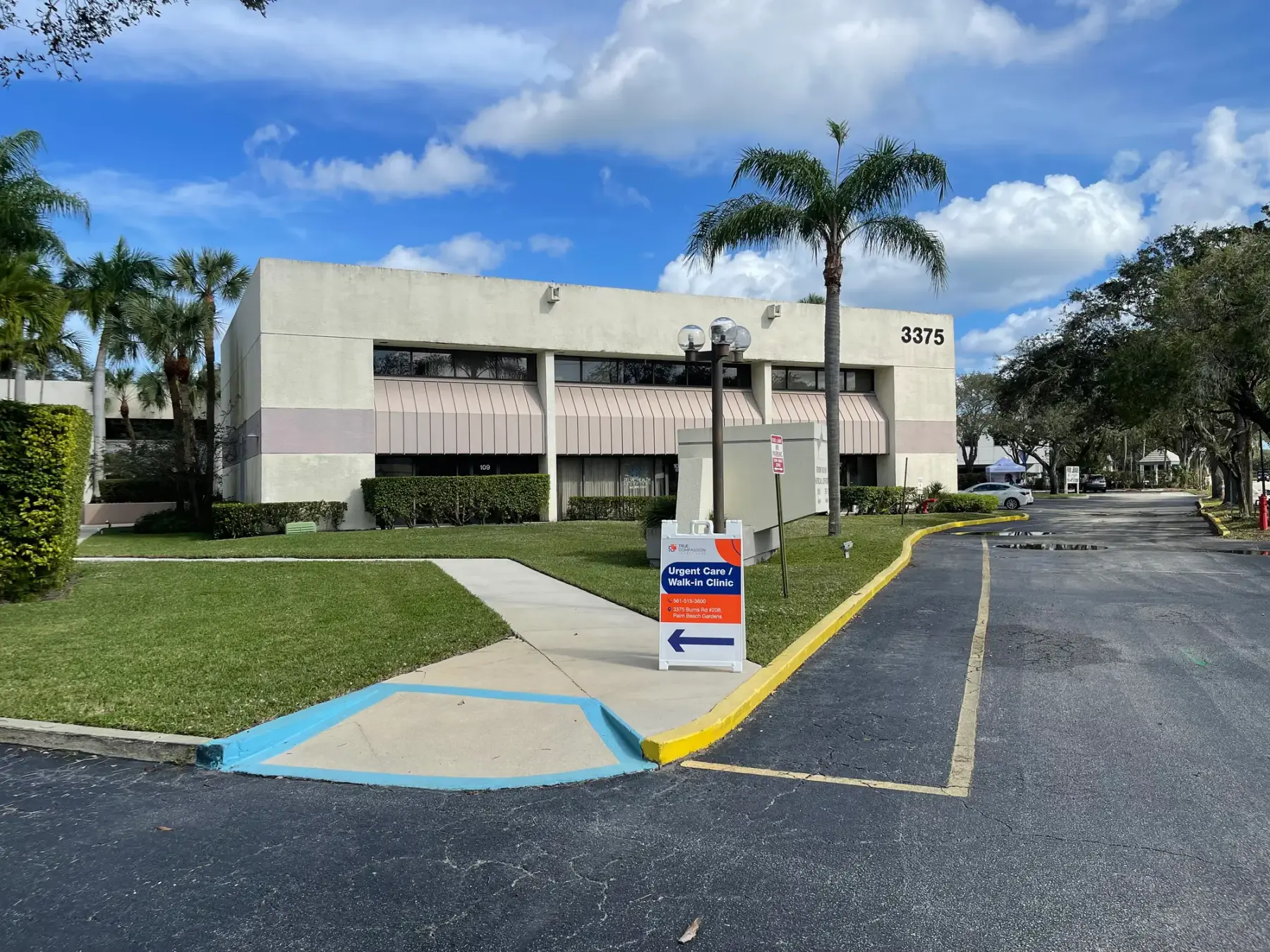
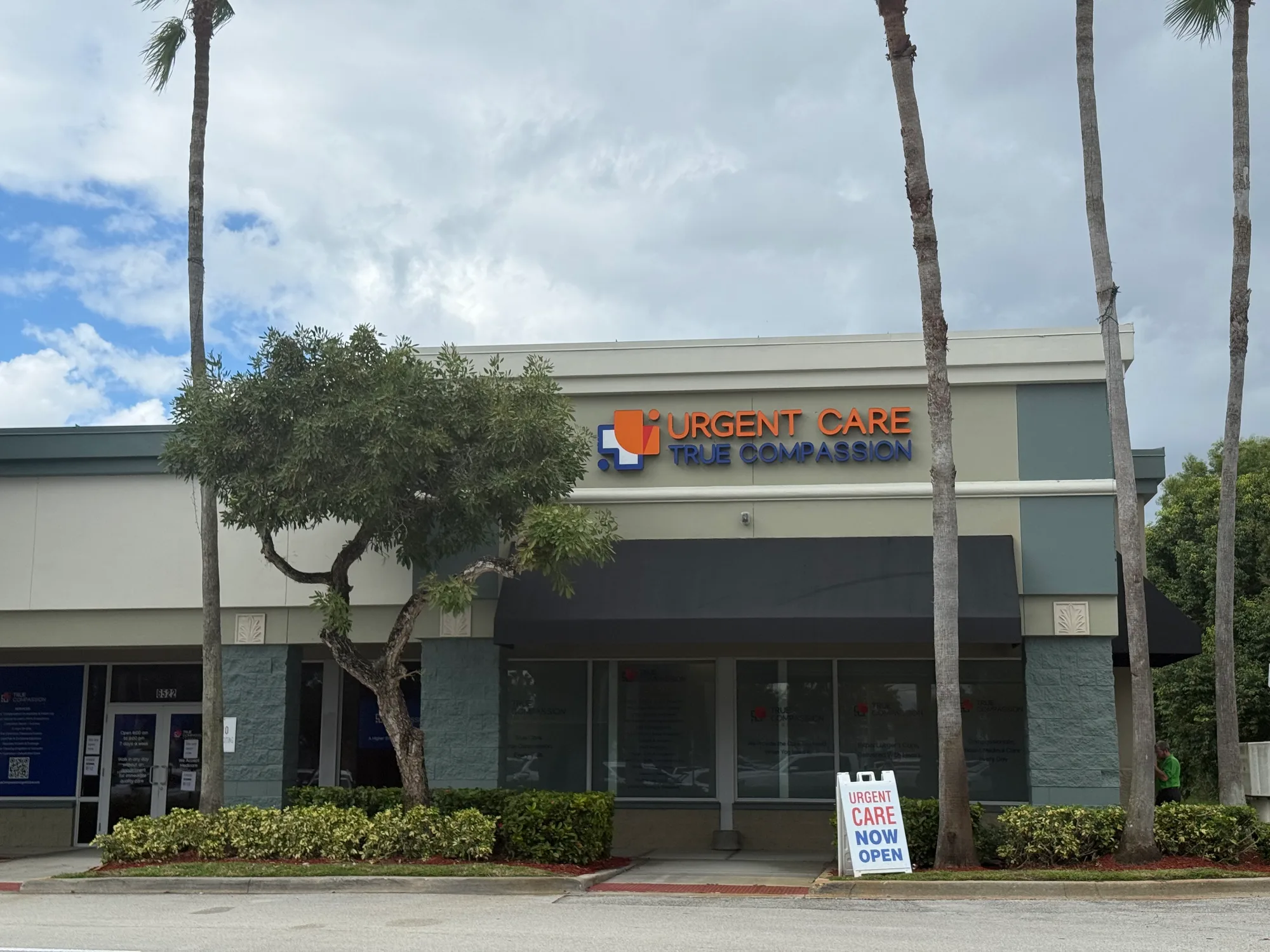
Available at Both Locations
Frequently Asked Questions
Allergic contact dermatitis occurs when your immune system reacts to a specific allergen like poison ivy, nickel, or fragrances, typically appearing 24-48 hours after exposure. Irritant contact dermatitis results from direct chemical damage to the skin from substances like harsh soaps, solvents, or acids, usually appearing within hours. Our medical providers evaluate your symptoms and exposure history to determine which type you have, as treatment approaches may differ.
No appointment is necessary. We welcome walk-ins daily from 8am to 8pm at both our Palm Beach Gardens and Stuart locations. Most patients are evaluated and treated during a single visit.
Our medical providers conduct detailed exposure histories and examine the pattern and location of your rash to identify likely triggers. Common culprits include poison ivy, nickel jewelry, fragrances, preservatives in cosmetics, latex gloves, and cleaning products. While we can often narrow down probable causes, definitive allergy testing may require referral to a dermatologist or allergist for patch testing.
In most cases, yes. For significant reactions, our providers may recommend targeted topical therapy such as corticosteroids, or oral therapy for severe flare-ups. We discuss the approach with you during the visit and coordinate your care before you leave so you can focus on recovery.
Prevention focuses on identifying and avoiding your specific triggers. We provide detailed guidance on reading product labels, choosing hypoallergenic alternatives, using protective barriers like gloves, and implementing proper skin care routines. Keeping a diary of products and exposures helps identify patterns. For occupational exposures, we can provide documentation and recommendations for workplace accommodations.
Please bring your photo ID, insurance card if applicable, and a list of current medications. If possible, bring samples or photographs of products you suspect may have caused the reaction, including cosmetics, cleaning products, or plants. This information helps our medical providers identify potential triggers more accurately.
Visit the emergency room if you experience severe facial swelling, difficulty breathing or swallowing, rapid spread of the rash over large body areas, signs of severe infection with fever, or symptoms of anaphylaxis. For typical contact dermatitis with localized rash and itching, urgent care provides appropriate evaluation and treatment.
No, contact dermatitis itself is not contagious and cannot spread from person to person. However, in the case of poison ivy, oak, or sumac, the plant oil (urushiol) can transfer from contaminated clothing, tools, or pet fur to other people. The rash itself does not spread the reaction, but any remaining plant oil on surfaces can cause new reactions in others who touch it.
This information is for educational purposes only and does not constitute medical advice. The content on this page is not intended to diagnose, treat, cure, or prevent any disease or health condition. Always consult your physician or qualified healthcare provider with any questions about a medical condition.
In case of a medical emergency, call 911 immediately. Do not rely on this information for emergency medical treatment.
No physician-patient relationship is created by viewing this content. This information does not replace in-person evaluation and treatment by a licensed medical professional.
Content medically reviewed: March 1, 2026
Ready to Get Care?
Walk-ins welcome at both locations. Open daily 8am-8pm.